Dengfeng, Henan, China · Mountains, learning and heritage
Dengfeng 3‑day itinerary
Mountains & heritage
The hills gradually change colour, but the timing varies each year. Leave enough daylight to return safely from the ridge.
Autumn · 3 days · EasyAdjust itinerary
Changing autumn colors
Before you go
Current trail access, cable-car operation, local transfers and some costs are not confirmed. Check the scenic-area and transport operators for your travel dates before relying on a route or booking onward travel.
Reading Songshan: learning, ritual and the mountains
01
Taishi foothills: an academy and a twelve-sided pagoda
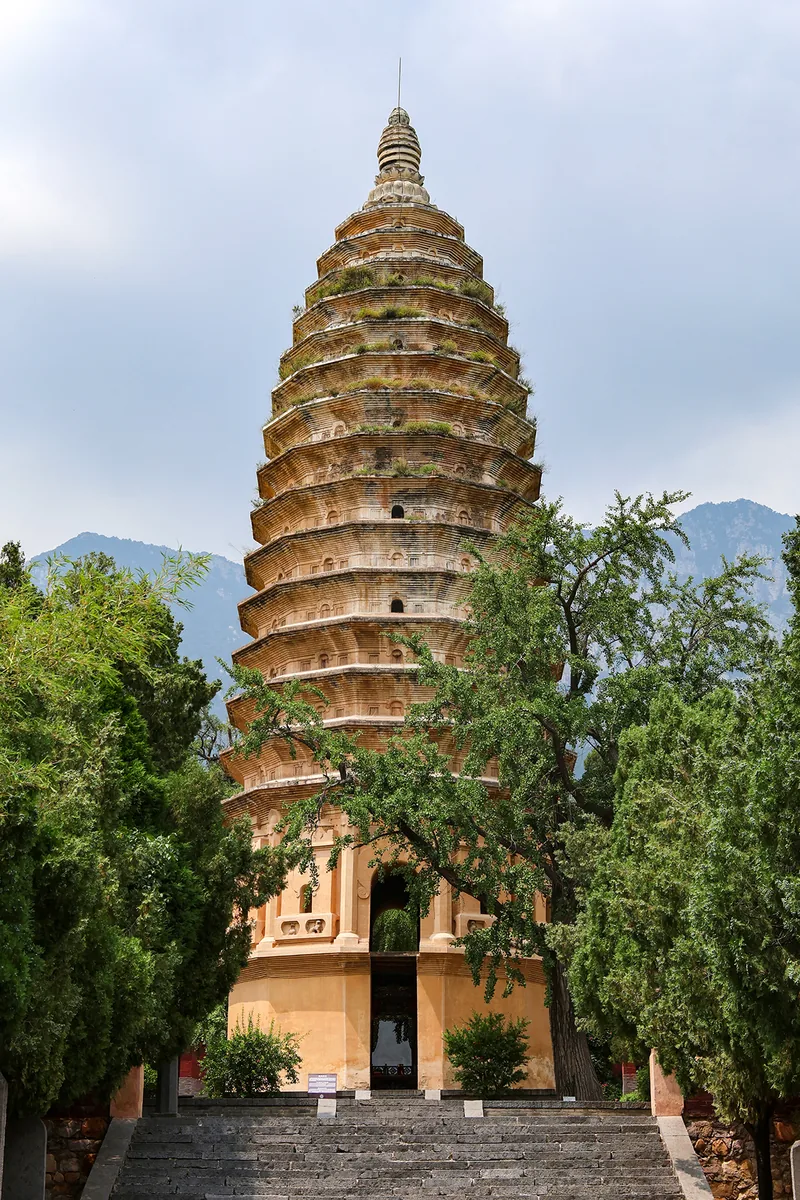
At Songyang Academy, old cypresses and carved inscriptions frame a place associated with classical learning. At Songyue Pagoda, look up along the twelve-sided tower and its closely spaced eaves. Seeing the academy courtyard before the pagoda makes their different histories and building forms easier to appreciate.
02
Shaoshi: from Shaolin's courtyards to the rock faces
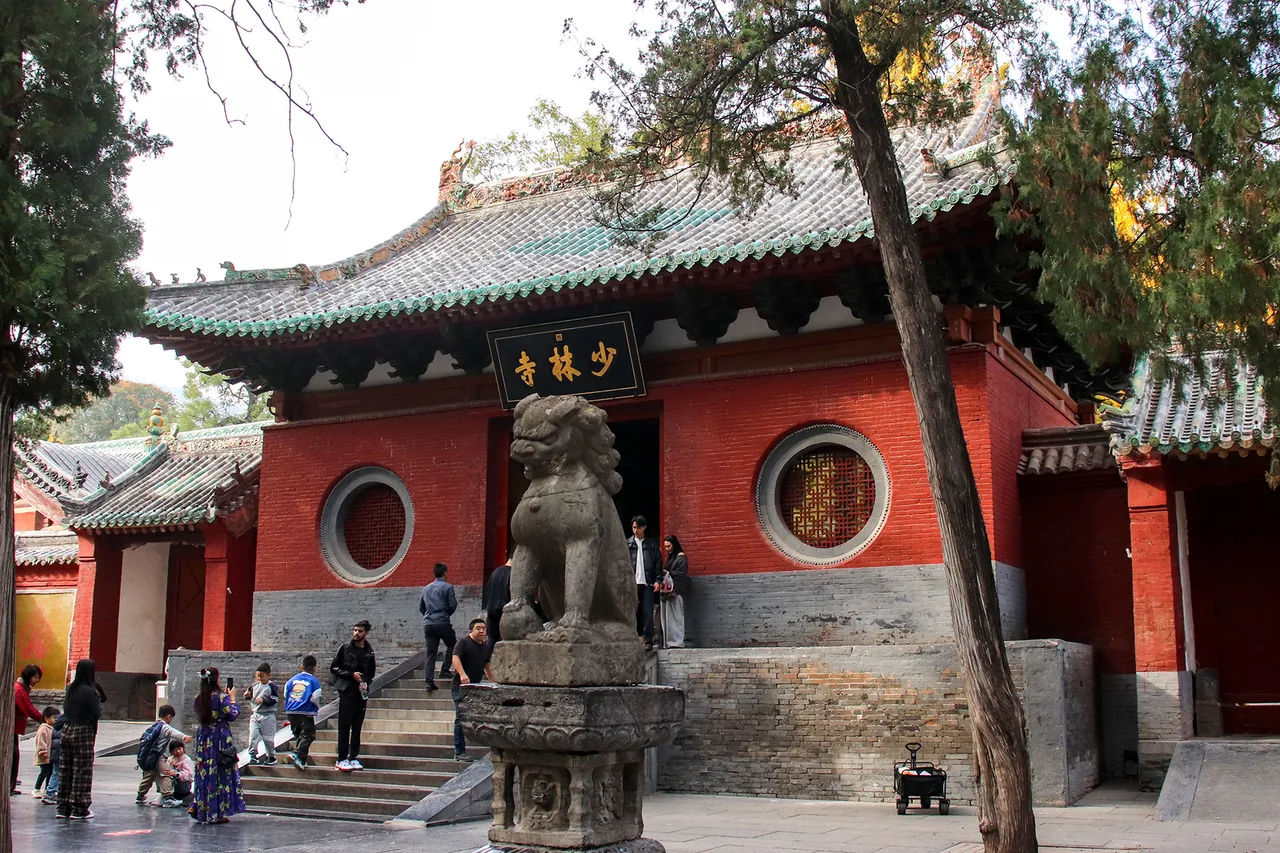
Shaolin Temple and its Pagoda Forest introduce a Buddhist history shaped by this mountain setting. Notice the different shapes of the pagodas before looking towards Shaoshi's ridges and layered stone. If the northern trail and cable car are operating, an authorised viewpoint offers a second perspective; a full north–south crossing is a separate undertaking.
03
The Centre of Heaven and Earth: reverence and observation
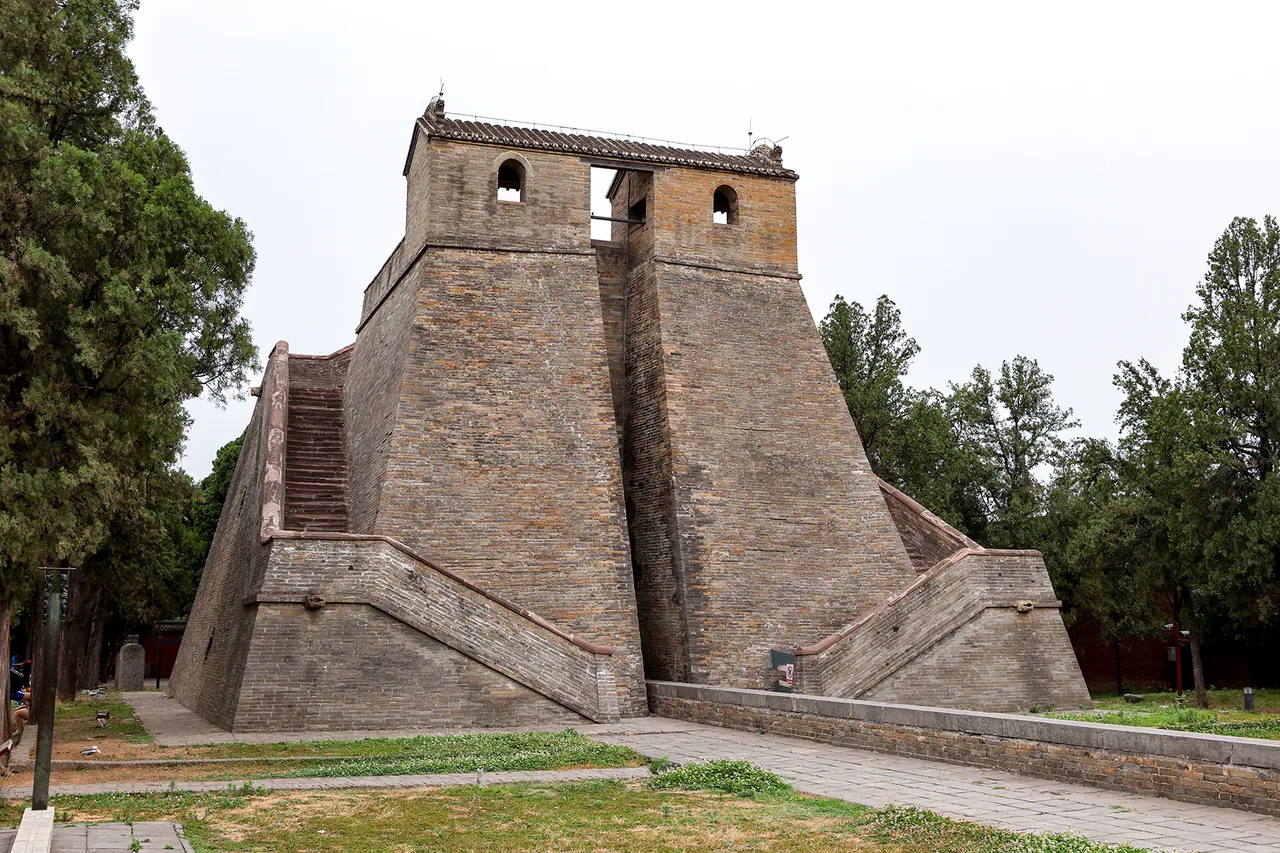
Mount Songshan was historically associated with the idea of the 'Centre of Heaven and Earth', a belief reflected in the monuments around Dengfeng. At Zhongyue Temple, follow the sequence of ceremonial courtyards; at Gaocheng Observatory, examine the structures used to study shadows and the seasons. Ritual and astronomy tell two sides of the area's story.
Day-by-day guide
Day 1
Ancient cypresses and a twelve-sided pagoda
A day at Taishi's foothills traces three different kinds of heritage: classical learning at Songyang Academy, Buddhist tower design at Songyue Pagoda and a temple set against the hillside.
Begin at Songyang Academy. Notice how its old cypresses and inscribed stones sit within the teaching courtyards, then compare that intimate scale with Songyue Pagoda's 12-sided outline and tiers of eaves. Finish at Fawang Temple, looking at how the buildings meet the surrounding slopes. The reward is understanding three places rather than simply ticking them off.
Getting around and back
Arrange local transport between separate entrances; the sites are not one continuous walking precinct.
Overnight base · Dengfeng town
Food, breaks and bags
Plan lunch and luggage storage in Dengfeng town rather than relying on hillside facilities.
Worth checking today · The sites may check tickets separately. Confirm access and whether a multi-site pass covers your visit date.
If plans need to change
If Fawang Temple is closed, linger at the academy and pagoda, then enjoy some time back in Dengfeng town.
Day 2
Zhongyue Temple and the passing of time
Zhongyue Temple and Gaocheng Observatory offer two ways into Dengfeng's 'Centre of Heaven and Earth' heritage: ceremonial reverence for the mountain and the measurement of time.
At Zhongyue Temple, follow the central sequence of halls and courtyards, paying attention to how the layout conveys a sense of order. Then travel to Gaocheng Observatory, where the surviving structures relate to studying the sun's shadow and the passage of seasons. Placing them together makes the historic idea of the 'Centre of Heaven and Earth' more tangible than visiting either as an isolated monument.
Getting around and back
Arrange a ride from Dengfeng to Gaocheng rather than treating the sites as adjacent.
Overnight base · Dengfeng town
Food, breaks and bags
Allow lunch and an easy afternoon, especially when making an onward transport connection.
Worth checking today · The observatory’s opening arrangements may change; check before setting off.
If plans need to change
If the observatory is closed, omit the Gaocheng journey and check your return transport. There is no need to revisit earlier stops just to fill the day.
Day 3
Shaolin heritage and Shaoshi's cliffs
Begin with Shaolin's Buddhist buildings and pagodas, then—only if access permits—look at Shaoshi's layered cliffs. Stonework and natural rock tell different sides of this mountain's story.
At Shaolin Temple, notice the sequence of its courtyards; in the Pagoda Forest, look for differences in the shapes of the towers and their relationship to the site's Buddhist past. If the Shaolin cable car operates and the northern walkway is open, continue along the designated path to a viewpoint. Here the eye moves from constructed stone to Shaoshi's strata and ridges. Return the same way: this is not an unverified crossing to the southern gate.
Getting around and back
Enter through the designated Shaolin area and check cable car, internal transport and last descent times that day.
Return to · Dengfeng town
Food, breaks and bags
Bring water and food: catering on the mountain cannot be relied upon.
Worth checking today · Even the short ridge includes steps and exposed walkways. Never press on if access is closed or slippery.
If plans need to change
If the cable car is closed or the ridge inaccessible, stay with the temple buildings and pagodas that are open, allowing time for the journey back.
Choosing a mountain walk
Reliable walking times, distances and elevation figures are not available for these routes. Choose a walk that suits your experience, then confirm the open trail and turnaround point with the scenic area.
How long can you walk comfortably? · 2–4 hours
Day 1
Ancient cypresses and a twelve-sided pagoda
Courtyards, temples and a pagoda, with steps at entrances and inside the grounds.
Day 2
Zhongyue Temple and the passing of time
Separate road journeys to Zhongyue Temple and Gaocheng Observatory, followed by visits on foot.
Day 3
Shaolin heritage and Shaoshi's cliffs
A cable car can help when running, but the northern walkway still rises and falls over steps.
Find the stops
Places are listed in visit order. Amap searches for their Chinese names; the result does not verify a particular entrance or hiking route. Check official visitor information and follow designated trail signs.
Tickets only. Cable cars, transfers, accommodation and meals are not included.
Reference admission
Day 1 · Songyang AcademyCN¥30
Day 1 · Songyue PagodaCN¥40
Day 1 · Fawang TempleCN¥20
Day 2 · Zhongyue TempleCN¥30
Day 2 · Gaocheng ObservatoryFree entry
Day 3 · Shaolin TempleCN¥80
Day 3 · Shaolin Pagoda ForestIncluded in the Shaolin Temple ticket
Day 3 · SanhuangzhaiIncluded in the Shaolin Temple ticket
Costs to confirm separately
AccommodationPrice to be confirmed
MealsPrice to be confirmed
Local and intercity transfersPrice to be confirmed
Cable car and park transportPrice to be confirmed
Ways to spend less
Check who qualifies for discounted or free entry before buying tickets. If visiting several sites in one day, compare individual admissions with a multi-site pass. The figures below are published references, not live prices.
Is the Songyang pass worth it?
Day 1 · Songyang Academy · Songyue Pagoda · Fawang Temple
Is the Songyang pass worth it?
Individual tickets
CN¥90
Four-site pass reference
CN¥79.9
Possible saving if eligible · CN¥10.1
Compare only the sites on your actual day's route. Before paying, check that the pass is still sold, valid on your dates and covers those sites, and that you qualify. This is a price comparison, not money already saved.
Article 82 of Henan's Tourism Regulations provides free admission at eligible publicly resourced scenic areas for people aged 60 or over, children under 140 cm, disabled visitors and qualifying military, police or fire-rescue personnel. Teachers, under-18s and full-time college or vocational-school students may receive half-price admission. Valid proof is required. Not every attraction or cable car qualifies; international visitors should confirm which identity or student documents the ticket operator accepts.
A 2025 notice from Dengfeng's transport bureau listed a standard city-bus fare of CNY 1. At that time, local Route 1 served the new Shaolin visitor centre and Route 2 passed Zhongyue Temple and the Sanhuangzhai visitor centre. City buses are different from intercity coaches. These are historical details, not a current timetable: check routes, last departures and any final scenic-area connection before making plans.
No currently available annual pass, transport day pass, tourism voucher or seasonal discount has been confirmed for these travel dates, so none is included as a saving. Recheck eligibility, dates and eligible sites before purchasing.
Check these details before you go
Dengfeng town is a practical base for the mountain and heritage sites. Zhengzhou Jiaoyun (郑州交运) is a channel for checking coach information from Zhengzhou East railway station, not proof of a departure on your date. Confirm the boarding point, actual service and return; alternatively arrange a licensed road transfer and confirm luggage arrangements.
Before travelling back to Zhengzhou, reconfirm the coach or pickup arrangements. Allow extra time if connecting to a high-speed train or flight.
Check current warnings and park notices. Do not enter closed trails.
Ask about the last cable car and onward descent transport.
Confirm pickups, luggage, accommodation and the return connection.
Carry water, food and shoes with grip. Stay on designated open trails.
Sources
Some cited route and transport notices are historical. Check the operator's current guidance for admission, trail access and transport on your travel date.